High-Functioning Anxiety Explained
You meet every deadline. You're the one people count on—at work, at home, in your friendships. From the outside, your life looks put-together, even enviable. But underneath that capable exterior? A constant hum of worry. A mind that won't stop scanning for what could go wrong. A body that rarely feels at ease.
If this sounds familiar, you may be living with high-functioning anxiety—and you're far from alone.
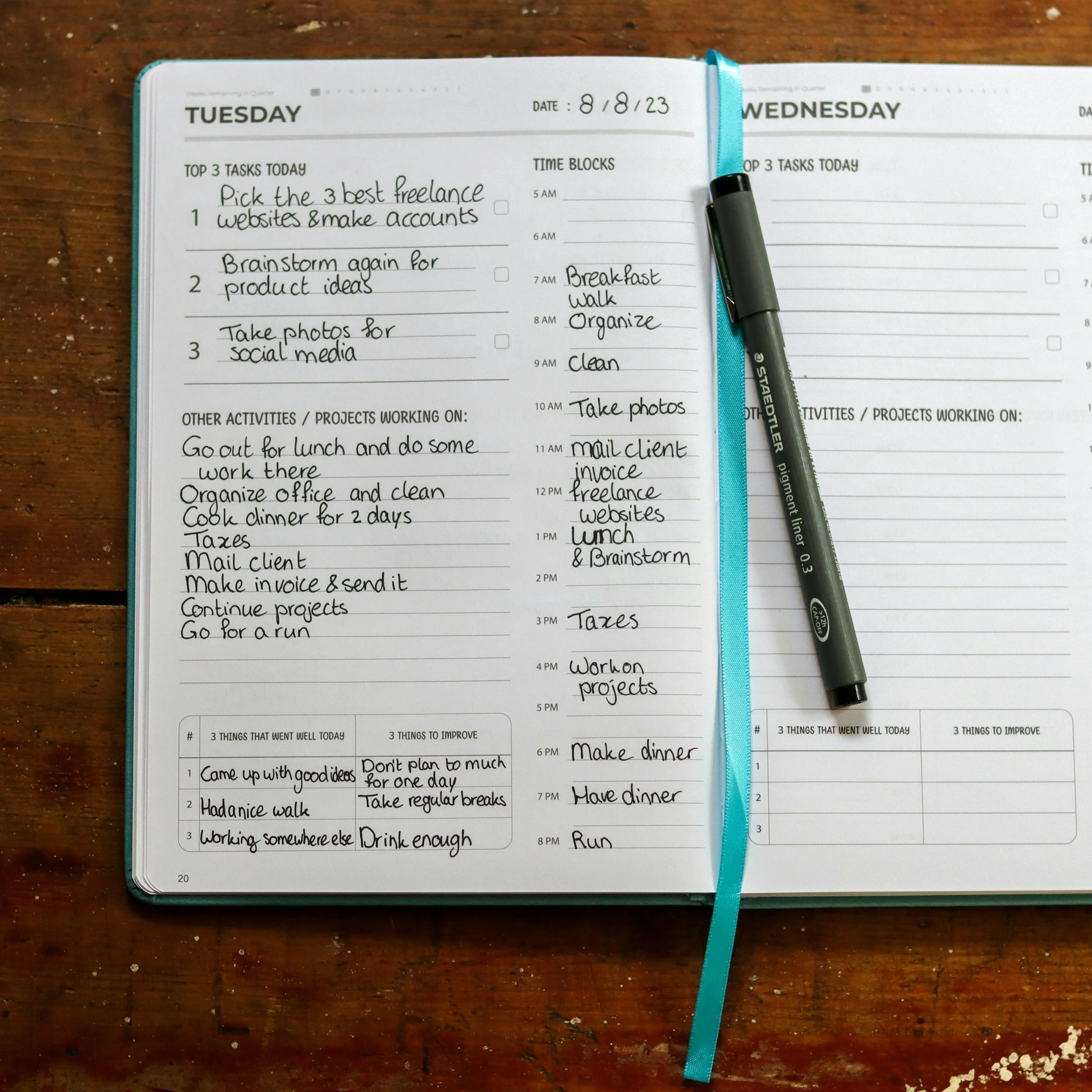
What High-Functioning Anxiety Looks Like
High-functioning anxiety isn't a formal diagnosis, but it describes something very real: the experience of living with persistent anxiety while still appearing—and often being—highly productive and successful. The connection between anxiety and success can actually make it harder to recognize what's happening, because the results look good even when the process feels exhausting.
People with high-functioning anxiety often:
Overthink and overplan. You prepare for every possible scenario, replay conversations in your head, and struggle to make decisions without second-guessing yourself.
Push through discomfort constantly. Rest feels unearned. You keep going even when you're depleted.
Fear disappointing others. Saying no feels impossible, so you overcommit and then quietly resent it.
Appear calm while feeling anything but. You've learned to mask stress so well that others assume you're handling everything effortlessly.
Struggle with perfectionism. Good enough doesn't feel like an option—so you work harder, longer, and more meticulously than necessary.
Have trouble relaxing. Downtime brings guilt, restlessness, or an uncomfortable awareness of all the anxiety you've been outrunning.
Here's what makes this tricky: many of these patterns are rewarded. You get praised for being dependable, detail-oriented, and hardworking. That external validation can make it confusing to trust your internal experience—because if everyone says you're doing great, why do you feel like you're barely holding it together?
Why It Develops
High-functioning anxiety doesn't come out of nowhere. It often develops as a survival strategy—a way of coping with environments or experiences where safety, love, or approval felt conditional.
Trauma history. If you grew up in a home where emotions were dismissed, conflict was unpredictable, or you learned to stay alert to others' moods, hypervigilance may have become second nature. Anxiety became a way to stay safe.
Chronic stress. Prolonged exposure to high-pressure environments—demanding workplaces, caregiving responsibilities, financial instability—can train your nervous system to stay in a constant state of low-grade alarm.
Perfectionism. When early experiences taught you that your worth was tied to achievement, performance becomes a way to feel okay. But it also means rest feels dangerous and mistakes feel catastrophic.
Pressure to perform. Cultural, familial, or professional expectations can create an environment where slowing down isn't an option. You learn to function under pressure because you had to.
Over time, these adaptations become automatic. Your nervous system stays activated even when there's no immediate threat, because it learned that letting your guard down was the real danger.
How Therapy Helps
The goal of therapy for anxiety isn't to make you less capable or productive—it's to help you feel as steady on the inside as you appear on the outside.
Nervous system regulation. Much of high-functioning anxiety lives in the body. Therapy can help you understand your nervous system's patterns and learn practices that support genuine calm—not just the appearance of calm. This might include somatic approaches, breathwork, or simply learning to notice when your body is signaling distress.
Self-awareness. Therapy creates space to examine the beliefs driving your anxiety. Where did you learn that rest was lazy? That your value depends on what you produce? Understanding these roots can loosen their grip.
Boundaries. Many people with high-functioning anxiety struggle to say no, ask for help, or take up space. Therapy supports you in recognizing your limits and communicating them—without guilt.
Sustainable well-being. This is about more than managing symptoms. It's about building a life where burnout recovery isn't something you need every few months, because you're no longer running on fumes as your baseline.
You Deserve to Feel as Good as Your Life Looks
If anxiety feels constant—even when everything in your life looks "fine"—that's worth paying attention to. You don't need to be in crisis to deserve support. You don't need to wait until the coping strategies stop working.
Therapy can be a space where you don't have to perform, produce, or hold it all together. Where you can finally exhale.
If you're ready to explore what support could look like, I'd love to connect. You've worked hard to build a life that looks good from the outside—let's work on helping it feel good on the inside, too.
Emily Powell, LCSW, is a licensed therapist with over six years of experience supporting clients in St. Petersburg, Florida. She specializes in anxiety, depression, self-harm, and eating disorders and uses evidence-based approaches like Acceptance and Commitment Therapy and Narrative Therapy to help clients strengthen self-esteem, increase emotional regulation, and feel confident using coping skills. At Blossom Into a Better You, she is committed to providing compassionate, expert care, both in person and online, to clients across Florida.